
CNC machining + coordinated finishing
Custom Metal Polishing for CNC-Machined Parts
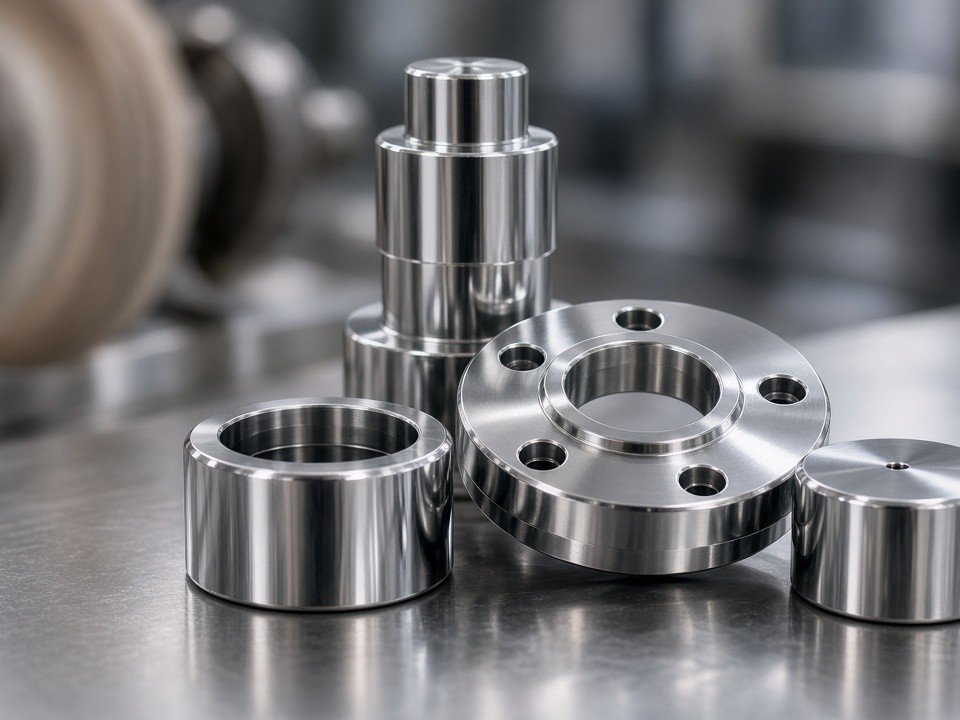
A polished part is judged by more than its shine. Target roughness, reflection, geometry and batch consistency all matter—and finishing can expose machining marks or affect edges and dimensions.
BGCNC coordinates metal polishing with CNC machining through proven manufacturing partners in Dongguan and the Pearl River Delta. Our engineering team reviews the finish alongside your part geometry, material, quantity and inspection needs.
Share your drawings, material, quantity and finish requirements to get started.
10
Manufacturing engineers
10+
Years of experience each
50+
Proven manufacturing partners
Start with the outcome
What metal polishing can—and cannot—do
Controlled abrasive or mechanical finishing can reduce surface irregularities and create a smoother, brighter or more reflective appearance. The achievable result depends on the starting surface, material, geometry and finishing method.
Polishing is not a substitute for accurate machining. It can soften sharp edges, affect small features or reveal defects that were less visible on a rough surface. For close tolerances, sealing faces and cosmetic surfaces, plan machining and finishing together.
Define “mirror finish” clearly
Ra describes average surface roughness, but it does not fully describe reflection, haze, scratch direction or appearance under different lighting. If appearance is critical, provide a reference sample, an approved finish standard or clear visual inspection criteria.
Build a useful RFQ
Polishing parameters to define
These are discussion points, not guaranteed process limits. We confirm feasibility against the selected material, geometry and manufacturing partner before quoting.
| Parameter | What to specify | Why it matters |
|---|---|---|
| Surface roughness | Target Ra in µm, where measurable | Defines a measurable surface-texture requirement; visual gloss alone is not an Ra specification. |
| Appearance | Satin, bright, highly reflective or mirror-like; add a sample or reference image if available | Aligns expectations for reflection, haze, grain direction and visible marks. |
| Area and geometry | Mark polished faces; note slots, holes, recesses, corners, thin walls and internal surfaces | Limits finishing to required areas and flags where access may make a uniform finish difficult. |
| Dimensions and edges | State critical post-finish tolerances and whether edges stay sharp, are broken or need a radius | Polishing can remove material, soften edges and affect small features. |
| Material and quantity | Specify alloy or grade, heat treatment, prototype quantity, production volume and forecast | Materials respond differently to finishing; quantity helps plan process, inspection and batch consistency. |
| Inspection and handling | List documentation, protection and packaging requirements | Clarifies acceptance and helps reduce handling marks before shipment. |
Plan the route early
Machining and polishing, planned together
A polished finish starts before the part reaches the finishing stage. Our manufacturing engineers review features that could create avoidable polishing time or cosmetic risk.
Considering polishing allowance and surface-defect risk during machining helps reduce the chance of discovering finish or dimensional issues after machining is complete.
-
01
Polishing allowance
Assess available material and dimensional margin so finishing does not compromise critical features.
-
02
Tool marks and surface defects
Review machining strategies and setups that may reduce visible marks on designated cosmetic faces.
-
03
Geometry, access and protection
Flag deep pockets, narrow slots, internal corners and thin sections; identify edges, holes and mating surfaces for controlled finishing or inspection.
-
04
Manual finishing effort
Large polished areas, tight appearance requirements and hard-to-reach surfaces can increase labor. We explain these trade-offs before route approval.
One coordinated route
Production for polished custom parts
BGCNC matches projects with partners suited to the process, quality needs, capacity and delivery plan—not simply one factory for every part.
CNC machining
Milling and turning, including 3-, 4- and 5-axis machining.
Engineering review
Design-for-manufacturing feedback and review of finishing risks.
Finishing coordination
Polishing and surface finishing arranged with the selected manufacturing partner.
Inspection planning
Specified dimensions and finish requirements considered alongside packaging and handling.
We manage communication across machining and finishing so drawing revisions, inspection criteria and delivery details are not left to separate supplier conversations. Available methods depend on the part, material and project requirements.
For repeat orders, agreed finish references and inspection criteria give both sides a clearer basis for checking batches and addressing variation. Tell us if certification, traceability or specific inspection records are needed; availability and scope depend on the partner selected.
Where polishing may fit
Parts and applications
Polishing may suit components where appearance, cleanability, tactile feel or a smoother contact surface matters. Requirements vary by application and must be reviewed against material, geometry and inspection needs.
Decorative metal parts
Covers, panels, knobs and visible hardware.
Instruments and testing equipment
Housings and components with cosmetic or functional finish requirements.
Medical-device components
Selected components, subject to material, documentation and partner qualifications.
Custom machined parts
Brackets, fixtures and other components with designated cosmetic faces.
Mixed cosmetic and functional surfaces
Mark only the faces that need a particular appearance to help control manual labor and preserve edges, dimensions and functional surfaces.
Choose for the required outcome
Match the finish route to your project
A bright appearance may be enough for one component; another may need controlled roughness or consistent reflection across multiple faces.
Decorative visible face
Review finish area, reflection level and grain or scratch direction.
More visual control can require additional manual work and inspection.
Instrument or equipment part
Review critical surfaces, tolerances and handling marks.
Balance finish requirements with fit and function.
Medical-device application
Review material, intended use, finish specification and documentation.
Certification and traceability depend on the partner and project scope.
Complex geometry
Review access to corners, recesses, holes and thin features.
Restricted areas may not match the finish of accessible faces.
Prototype or repeat production
Review the expected production path and use approved samples and written criteria where appropriate.
A manual route may suit early quantities; repeatability and process controls should be reviewed before scaling.
For prototypes, we can review whether CNC machining followed by polishing is practical. If volumes increase, our engineers can compare that route with other suitable processes and assess tooling investment, unit cost and lead time.
Make the review productive
What to include when requesting a quote
Complete information helps us assess manufacturability, polishing effort and inspection needs before quoting.
- 01
Drawing or 3D model
Include revision level, units and critical dimensions.
- 02
Material and condition
Specify grade and any heat-treatment requirements.
- 03
Quantity
Include prototype, initial production and expected repeat volumes if known.
- 04
Finish requirement
State target Ra where applicable, appearance level and polished faces.
- 05
Reference
Attach a sample photo, approved part or finish standard if appearance is hard to describe.
- 06
Inspection and delivery
Identify critical dimensions, reports, traceability or certification needs, plus destination and target date.
We review the information, clarify open technical points and match the project with suitable manufacturing resources. Your quote reflects the proposed process and project requirements—not a generic polishing rate detached from part geometry.
Technical questions
Polishing considerations, answered
Can polishing maintain close dimensions and sharp edges?
Polishing can remove material, soften edges and affect small features. Share critical post-finish dimensions and edge requirements so allowance, protection and inspection can be considered with the machining plan.
Is a target Ra enough to define a mirror finish?
Not by itself. Ra describes average roughness but does not fully describe reflection, haze, scratch direction or appearance under different lighting. Add a sample, finish standard or visual inspection criteria when appearance is critical.
Can finish consistency be planned for repeat orders?
Agreed finish references and inspection criteria can provide a clearer basis for checking batches and addressing variation. Process controls, inspection records and certification availability depend on the selected partner and project requirements.
Request a polishing RFQ
Let’s review your part and finish requirements
Send drawings and finish criteria for polished CNC components, instrument parts, decorative metal hardware or other custom parts. We’ll review geometry, polishing allowance, dimensional risks and the production route.
One point of contact for engineering review, machining, finishing coordination, quality follow-up and delivery.
Email info@bgcnc.comCompany address: Hongrongyuan · Honghu-Technologiepark, Bezirk Longhua, Shenzhen, China
Share your project details
Include the part drawing, material, quantity, target finish, critical dimensions and any inspection or delivery requirements.