Nickel-Based Superalloy Machining
Inconel 718 CNC Machining for Aerospace, Energy and High-Temperature Parts
BGCNC coordinates custom Inconel 718 machining through manufacturing partners selected for relevant nickel-alloy experience. We support engineering review, material documentation, production, inspection and delivery from one point of contact in China.
For aerospace engine, energy and other high-temperature applications, send us your drawing, material requirements, quantity and delivery target. We’ll review the manufacturing route and confirm which documentation and inspection can be provided for the project.
- 50+
- Proven manufacturing partners
- 10
- Manufacturing engineers
- Dongguan
- Supply chain base, China
Inconel 718 machining: what makes it challenging
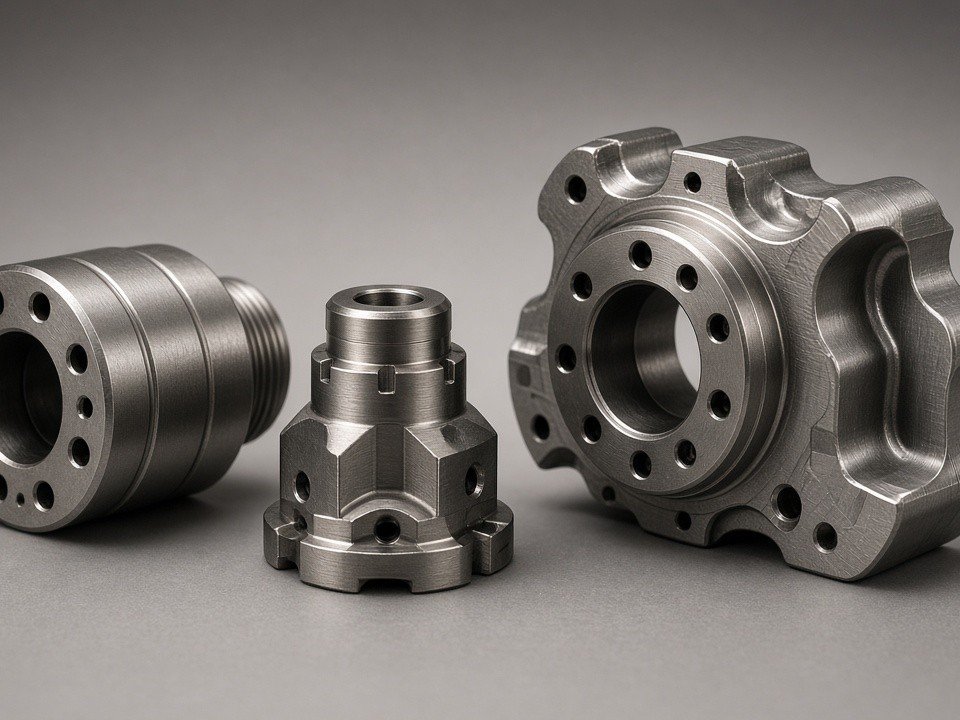
Inconel 718 is a nickel-based alloy used where strength and performance at elevated temperatures matter. Those properties also make it demanding to machine. It can work-harden during cutting, generate substantial heat at the cutting zone and cause rapid tool wear if the process is poorly controlled.
For buyers, the impact can extend beyond machining time. Tool consumption, scrap risk, secondary operations and uncertain material availability can all affect the total cost and delivery schedule. The alloy condition, part geometry, tolerances and required heat treatment also influence the route.
That’s why we assess the full job before quoting. A price based only on “Inconel 718” may not account for the details that drive manufacturing risk.
Work hardening
The alloy hardens during cutting, so the process must be controlled to protect tool life and dimensional consistency.
Cutting-zone heat
Substantial heat builds at the cutting zone and affects tool wear, surface integrity and cycle time.
Tool consumption
Rapid tool wear raises consumable cost and can add unplanned tool changes to the schedule.
Cost and lead-time risk
Scrap risk, secondary operations and uncertain material availability all feed into total cost and delivery.
CNC capacity matched to the part
Our Dongguan-based supply chain combines 50+ proven manufacturing partners with a 10-person manufacturing engineering team. We don’t assume one factory or machine is right for every job. We match the work to partners with relevant equipment and demonstrated experience machining nickel-based high-temperature alloys.
We review the part’s geometry, access to features, material condition, tolerances, quantity and inspection needs before selecting a route. If a partner’s experience or capacity does not fit the project, we look for a better match rather than forcing the job into an unsuitable process.
Production routes we can coordinate
- CNC milling, turning, or a combination of both
- 3-axis, 4-axis or 5-axis machining
- EDM or grinding for features that require those processes
- Secondary machining after an agreed heat-treatment operation
- Surface finishing coordinated to the drawing and application
Engineering review before the quote
A useful quote needs more than a model and a material name. Our engineers review the drawing or 3D file for machining access, thin sections, deep cavities, tight tolerances and features likely to increase cutting time or tool wear.
We flag questions before production where possible. That helps reduce drawing misunderstandings and makes the quote more useful for comparing cost, risk and lead time.
What we also consider
Whether all specified tolerances are necessary for function
Which dimensions need inspection reports or additional verification
How the material condition may affect machining sequence
Whether features can be adjusted without changing part function
Whether a near-net-shape starting route merits review for the planned volume
Material records and heat-treatment coordination
Define requirements up front
For high-value Inconel 718 components, material traceability and condition should be defined at the start of the project. Tell us which material specification applies, what documentation you require and whether the part must meet a particular heat-treatment condition.
Confirm, don’t assume
We can coordinate with a suitable manufacturing partner to confirm the available material records, heat-treatment route and documentation against your requirements. The exact records and process scope depend on the selected partner and the project specification, so we confirm them before order placement rather than assuming they are included.
Certification in the RFQ
If your procurement or quality team requires specific certification, traceability or inspection documents, include those requirements in the RFQ. Our network includes partners operating under recognized quality systems, but certification availability and scope depend on the partner selected for the work.
Tool wear, process control and production risk
Machining Inconel 718 requires a process suited to the alloy and part—not simply a standard approach applied to every job. Cutting strategy, tool selection, workholding, machining sequence and the part’s material condition can all affect tool life and dimensional consistency.
We match projects to partners with relevant nickel-alloy machining experience and ask them to assess these factors during quotation and process planning. For repeat orders, we can coordinate production and quality communication through the same BGCNC team, helping maintain visibility across suppliers and operations.
Lead time depends on material availability, part complexity, required operations, inspection scope and current production capacity. We assess those factors as part of the quote so that schedule expectations are based on the actual job.
Inspection planned around your requirements
Inspection requirements should reflect part function and risk. We can coordinate dimensional inspection and documentation with the selected manufacturing partner according to the drawing and agreed quality plan.
For an RFQ, identify critical dimensions, inspection frequency and any required reports. If the job calls for material traceability, heat-treatment records or other quality documentation, specify the required format and acceptance criteria. We’ll confirm what can be supplied before production begins.
This approach is particularly useful when a part is one item in a larger assembly or must meet a customer-specific quality process. It gives purchasing, engineering and quality teams a clear basis for approval.
Choosing a manufacturing route for your project
When CNC machining fits
CNC machining is often a practical choice for prototypes, complex geometries and low- to medium-volume Inconel 718 parts, especially when features or tolerances make a machined blank suitable. It can also support design changes without committing to dedicated production tooling.
When to review another route
For higher quantities or parts with substantial material removal, we can review whether a suitable near-net-shape route followed by CNC machining may reduce waste or unit cost. The right answer depends on geometry, tooling investment, available supply and the full lifecycle volume—not just the first order.
We’ll compare the relevant factors, including material, tolerance, quantity, lead time, secondary operations and total cost. Our goal is to recommend a workable route, not to quote CNC automatically when another process deserves consideration.
Parts and projects we’re suited to support
We work with international B2B companies that need custom mechanical parts and coordinated manufacturing in China. Inconel 718 projects may be a fit when the part requires high-temperature alloy machining, multiple operations, traceability or closer supplier coordination.
Typical buyers include mechanical and R&D engineers, purchasing teams, supply chain managers and equipment manufacturers. We’re particularly suited to high-mix, low- to medium-volume work where engineering communication, quality planning and delivery visibility matter alongside unit price.
A good fit when
- High-temperature alloy machining is required
- Multiple operations and traceability are involved
- Closer supplier coordination adds value
We’re not a fit for buyers comparing only the lowest headline price without a defined material, quality or delivery requirement. Inconel 718’s material and processing costs make a clear specification important to an actionable quote.
Request an Inconel 718 machining quote
Send us the information available for your project. A complete RFQ helps us select a suitable manufacturing partner and assess cost and schedule more accurately.
Please include
- 2D drawing and 3D model, if available
- Material specification and required material condition
- Heat-treatment requirements
- Quantity for the initial order and expected repeat volume
- Critical tolerances and inspection or reporting requirements
- Required certification, traceability or material documents
- Surface finish requirements and target delivery date
- Destination country and any packaging requirements
Email your RFQ to info@bgcnc.com. Our team will review the requirements and follow up on any details needed to prepare a manufacturing proposal.
BGCNC
Hongrongyuan · Honghu-Technologiepark, Bezirk Longhua, Shenzhen, China
Send your project details
Share your drawing, material requirements, quantity and delivery target. We’ll confirm the manufacturing route and the documentation that can be provided.