CNC Machining + Surface Finishing
Hard Anodizing for CNC Aluminum Parts
BGCNC coordinates CNC machining and hard anodizing for custom aluminum parts that need improved wear and corrosion resistance. We review coating requirements alongside dimensions, threads, mating surfaces and masking before production, so the machined part and finish are planned as one process.
Our team supports industrial equipment, robotics and other functional hardware projects through a network of proven manufacturing partners in China.
- 10
- Manufacturing engineers
- 10+
- Years experience per engineer
- 50+
- Proven manufacturing partners
What hard anodizing does
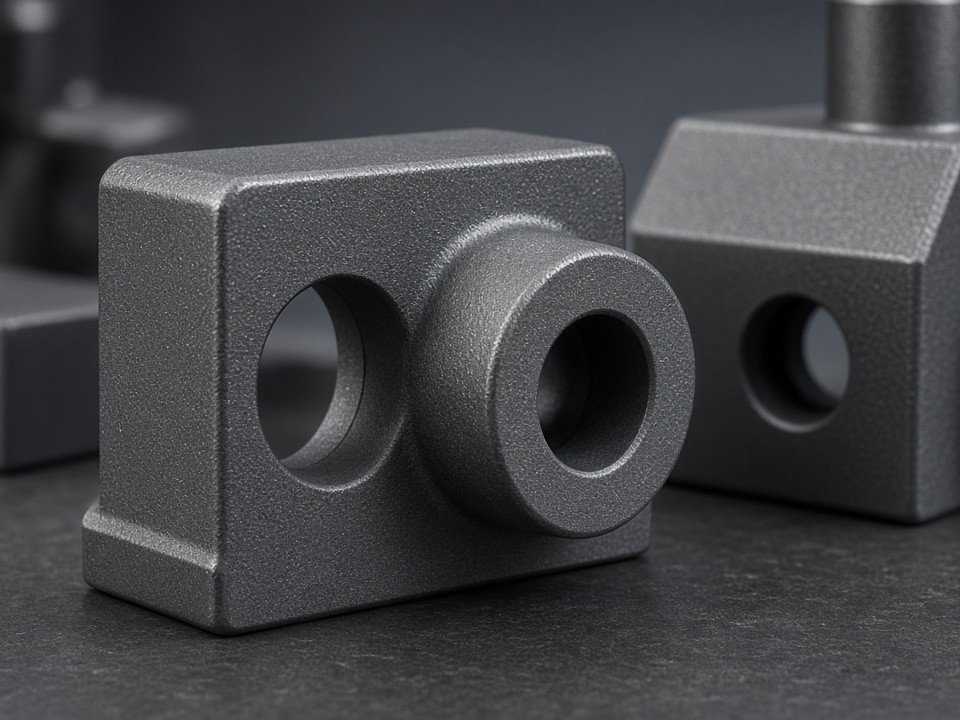
Hard anodizing is an electrochemical process that forms a thicker, harder oxide layer on an aluminum surface than decorative anodizing typically uses. It is selected for functional parts where wear resistance and surface protection matter.
The coating is integrated with the aluminum surface, but it changes the part’s dimensions and appearance. Results depend on the alloy, geometry, preparation and process requirements.
Thicker functional oxide layer
A harder, denser layer than decorative anodizing, chosen for wear resistance and surface protection on functional parts.
Integrated with the surface
The coating becomes part of the aluminum, so both dimensions and appearance can shift after finishing.
Process- and part-dependent
Alloy, geometry, preparation and process conditions all influence the final result.
Drawing must be explicit
Identify the required coating and any surfaces that must remain uncoated or meet close fit requirements.
CNC machining and finishing under one project plan
We coordinate the machining and finishing stages through one BGCNC project team. Our engineers review whether the part’s material, geometry, tolerances and intended use are compatible with the requested finish, then match the work to suitable manufacturing and finishing partners.
CNC milling & turning
Aluminum components machined to drawing before finishing.
3, 4 & 5-axis capability
Machining route selected to suit the part and its features.
DFM feedback
Engineering review of material, geometry, tolerances and intended use.
Finishing coordination
Hard anodizing and other specified surface treatments managed with the machining plan.
Inspection planning
Defined checks for critical dimensions and functional features.
Assembly & logistics
Assembly, packaging and international logistics support when required.
We manage supplier coordination and technical communication so customers do not have to manage separate machining and finishing vendors themselves.
Plan for coating build before machining
Hard anodizing adds coating to the part, so dimensions measured after finishing may differ from dimensions measured after machining. The amount of dimensional change is process- and part-dependent; a single allowance should not be applied blindly to every feature.
Before production, we review critical dimensions and discuss where machining compensation may be needed. Where a final dimension is critical, we clarify whether it applies before or after anodizing and align the machining plan with that requirement.
Features we review for machining compensation
- Bearing seats, bores and sliding fits
- Mating faces and locating features
- Close-tolerance holes and pockets
- Thin walls or small features
- Parts that interface with components made by another supplier
Threads, masking and electrical contact points
Threads and functional surfaces need explicit direction. A coating can affect thread fit, and coating a surface intended for electrical contact or precise mating may not suit the part’s function. We review the drawing for features that may require masking or special inspection.
Internal & external threads
Thread class and fit confirmed against the coating plan.
Precision bores & fits
Surfaces where coating build affects assembly.
Grounding & electrical contact
Areas that may need to stay uncoated.
Sealing & mating faces
Functional surfaces where coating may not suit the design.
Bonding, press fits & assembly areas
Marked keep-out areas reviewed with the finishing partner before production.
What to mark on the drawing
- Keep-out areas
- Required thread class or fit
- Post-finish inspection requirements
If masking is needed, we coordinate it with the finishing partner before production rather than treating it as an afterthought.
Color, appearance and surface roughness
Hard anodizing is primarily a functional finish, not a method for achieving perfectly uniform decorative color. The final shade can vary with alloy, part geometry, surface preparation and process conditions.
Color expectations
Dark finishes are commonly requested, but color consistency should be discussed against the part’s application and acceptance criteria. If appearance matters across multiple parts or production batches, include reference samples, approved color expectations or other acceptance guidance with the RFQ. We can review whether the requested appearance is practical for the selected material and process.
Surface roughness & preparation
Anodizing does not erase machining marks; the surface preparation and starting finish remain important to the final result. The coating can also affect how a surface feels and measures, so roughness requirements should be tied to the actual function of each feature. Tell us which surfaces are cosmetic, which are wear surfaces and which have a specified roughness requirement. We can assess the machining finish and finishing sequence together.
Engineering review for functional aluminum parts
Our team of 10 manufacturing engineers brings more than 10 years of industry experience per engineer. We review more than whether a part can be made: we look at how the manufacturing route affects cost, quality and delivery.
When specifications are incomplete or conflict with the part’s function, we raise questions before production so the project team can agree on a practical approach.
Our review may cover
- Aluminum alloy and part geometry
- Critical dimensions after finishing
- Machining allowances for coated surfaces
- Thread and masking requirements
- Surface preparation and roughness expectations
- Inspection points and documentation needs
- Whether another process or design adjustment better fits the application
Applications and order profiles
Hard anodizing is often considered for aluminum components exposed to sliding contact, repeated handling or demanding operating environments. Projects may include robotics components, automation hardware, industrial equipment, brackets, housings, plates, fixtures and other custom mechanical parts.
Robotics & automation
Components exposed to sliding contact and repeated handling.
Industrial equipment
Brackets, housings, plates, fixtures and custom mechanical parts.
Overseas B2B sourcing
Multiple custom parts, several processes or repeat low- to medium-volume orders.
We support prototype and production work, with project quantities commonly ranging from 5 to 5,000 pieces depending on part and process requirements.
Start a ProjectChoosing a finish for your project
Hard anodizing is not automatically the right choice for every aluminum part. We consider the operating conditions, dimensional needs, appearance requirements, quantity and total manufacturing cost before recommending a route.
The right selection depends on the complete part and its lifecycle—not just the finish name on the drawing.
Demanding wear requirements
May justify a thicker functional oxide layer.
Appearance-focused parts
May need a different anodizing specification.
Tight fits dominate the design
We may suggest revisiting tolerances, masking or the machining sequence.
Higher volumes
Our engineers can assess whether a different manufacturing approach would reduce total cost.
Quality and supply-chain coordination
BGCNC works with a core group of more than 50 proven manufacturing partners in Dongguan and the Pearl River Delta. We select partners based on process capability, quality consistency, delivery performance, engineering support and project fit.
For projects that require certifications, material traceability or inspection records, we can identify suitable partners according to the actual project requirements. Certification availability and scope depend on the partner selected. Please include any documentation or quality-system requirements with your inquiry.
Send drawings for a hard anodizing RFQ
For a useful quote, send the information available from this list:
- 2D drawing and 3D CAD file
- Aluminum alloy and temper, if specified
- Required hard anodizing specification or coating thickness
- Critical dimensions identified as pre- or post-finish
- Masking locations, thread details and keep-out areas
- Color, roughness and appearance expectations
- Quantity, target delivery date and inspection requirements
If some details are still open, send the current files and describe the part’s function. We can review the manufacturing questions with you before the process is finalized.
Request an engineering review and RFQ:
info@bgcnc.com
Company address:
Hongrongyuan · Honghu-Technologiepark, Bezirk Longhua, Shenzhen, China